
In this article
- Can cruciferous vegetables reduce cancer risk?
- What are other health benefits of cruciferous vegetables?
- What are health benefits of pulses?
- What are health benefits of blueberries and Goji berries?
- Key points to consider
Can cruciferous vegetables reduce cancer risk?
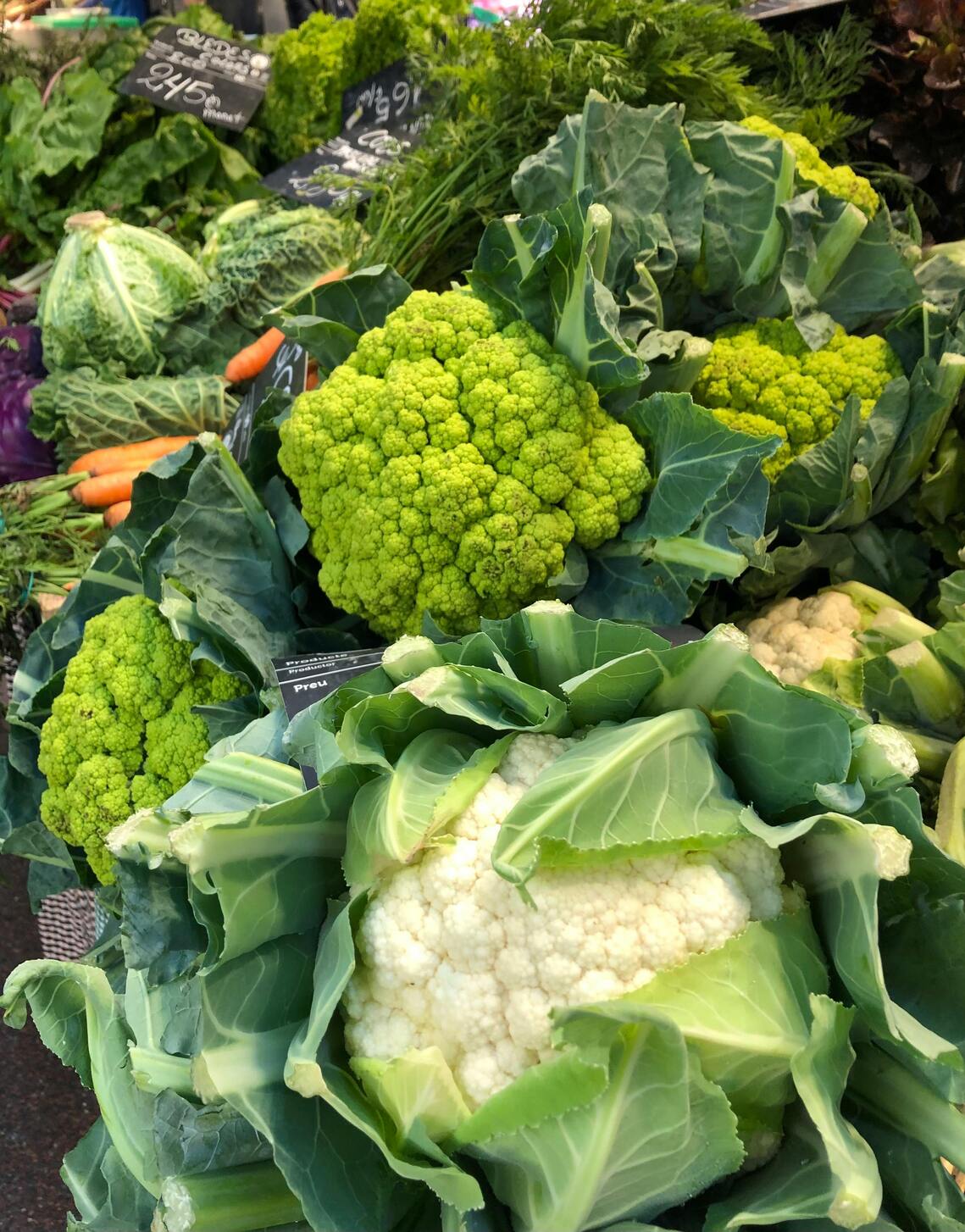
Cruciferous vegetables are members of the brassica family of vegetables, such as broccoli, cabbage, and cauliflower. Recent studies have consistently found that cruciferous vegetables reduce cancer risk across a range of different cancer types. For example, a recent 2024 study found that adding just 15 grams of cruciferous vegetables to your diet can reduce the risk of developing ovarian cancer by 4%.1 Another 2024 study which included more than a million participants found that eating cruciferous vegetables reduces pancreatic cancer risk.2 An more recent study from 2025 linked cruciferous vegetable consumption to reduced colon cancer risk,3 while an additional study from the same year highlighted the benefits for reducing breast cancer development and progression.4
Overall, further evidence drawn from decades of scientific research suggests that eating cruciferous vegetables can also reduce the risk of lung, stomach, bladder, prostate, and colorectal cancer.5 Professional bodies, such as the American Institute for Cancer Research, have concluded that cruciferous vegetables do reduce overall cancer risk. However, they note that the strength of the evidence can vary across cancer types.6
What are other health benefits of cruciferous vegetables?
The health benefits of cruciferous vegetables are not limited to reducing cancer risk. In fact, a 2022 study of more than 10,000 non-smoking people found that individuals who had higher levels of a urinary biomarker for cruciferous vegetable consumption had a lower risk of cardiovascular disease and total mortality.7 Furthermore, components of cruciferous vegetables called glucosinolates may improve management of blood sugar levels and blood pressure, as well as having beneficial effects for neurological and psychiatric conditions such as depression, schizophrenia, autism, Alzheimer’s disease, and multiple sclerosis.8 More research is needed to confirm these findings.
What are health benefits of pulses?
Pulses are the dried seeds of legume plants. They include lentils, dried peas, and various types of beans (chickpeas, kidney, soy, black, etc.). Eating pulses may provide nutritional and health benefits. For example, a 2024 study where participants followed varying diets, found that bean consumption lowered “bad” cholesterol.9 Furthermore, a review of recent studies found that pulses have cardioprotective properties, reducing the risk of cardiovascular disease by lowering cholesterol, reducing inflammation, and making you feel fuller.10
Diabetes UK also recommend eating pulses due to their low glycaemic index score, low fat content, and the fact they are filling, which helps in weight management.11 However, despite this, recent research has indicated that legume consumption does not have a strong impact on your risk of developing type 2 diabetes,12 though it does minimise risk factors, such as lowering cholesterol.13
What are health benefits of blueberries and Goji berries?
Blueberries
There is evidence which suggest that blueberries may have anti-cancer potential, with one such study highlighting that they contain components (phytochemicals and polyphenols) which have anti-tumour properties.14 The benefits for preventing oral cancer are particularly emphasised. However, this study also noted that more clinical trials are needed to provide further support for these conclusions.
Blueberries have been shown to improve abdominal symptoms, well-being and function in patients with gastrointestinal disorders.15
Blueberries may also improve vascular function, though again, further research is required in order to be more conclusive.16
Goji berries
Various studies have highlighted the health benefits of consuming goji berries. One such summary of goji berry research17 notes that they contain anti-inflammatory and antioxidant activities. A further 2022 summary found that goji berries may boost the immune system, and reduce cardiovascular disease risk, though they note that goji berries can cause allergic reactions in some people.18
Key points to consider
- Recent evidence suggests that eating cruciferous vegetables can reduce your risk of different types of cancer.
- Further benefits of cruciferous vegetables include reduced cardiovascular disease risk, improved blood sugar control and blood pressure, as well as beneficial effects for neurological and psychiatric conditions.
- Some types of pulses may lower “bad” cholesterol, though connections with type 2 diabetes are less clear-cut.
- Blueberries may have anti-cancer potential, can improve abdominal symptoms, and may improve vascular function. Goji berries contain anti-inflammatory and antioxidant properties, may boost the immune system, and reduce cardiovascular disease risk.
- While the strength of evidence can vary across studies and different health problems, cruciferous vegetables, pulses and berries make a good addition to a healthy, balanced diet.
Reviewed and updated by Daniel Piears, December 2025.
References
- Li M, Long J, Yang M, et al. The Intake of Cruciferous Vegetables and the Risk of Ovarian Cancer: A Systematic Review and Dose-Response Meta-Analysis. Gynecol Obstet Invest. 2024. https://pubmed.ncbi.nlm.nih.gov/38479372/
- Zhang G, Li Y, Sun Y, et al. Cruciferous vegetables intake reduces pancreatic cancer risk: an updated systematic review with meta-analysis. Eur J Nutr. 2024. https://pubmed.ncbi.nlm.nih.gov/39078523/
- Lai B, Li Z, Li J, et al. Cruciferous vegetables intake and risk of colon cancer: a dose-response meta-analysis. BMC Gastroenterol. 2025. https://pubmed.ncbi.nlm.nih.gov/40790161/
- Ho E, Wong C P, Bouranis J A, et al. Cruciferous Vegetables, Bioactive Metabolites, and Microbiome for Breast Cancer Prevention. Ann Rev Nutr. 2025. https://pubmed.ncbi.nlm.nih.gov/40841315/
- Agagunduz D, Sahin TO, Yilmaz B, et al. Cruciferous Vegetables and Their Bioactive Metabolites: from Prevention to Novel Therapies of Colorectal Cancer. Evidence-Based Complementary and Alternative Medicine. 2022. https://onlinelibrary.wiley.com/doi/10.1155/2022/1534083
- American Institute for Cancer research. Broccoli and Cruciferous Vegetables: Reduce Overall Cancer Risk. 2021. https://www.aicr.org/cancer-prevention/food-facts/broccoli-cruciferous-vegetables/#research
- Wang Q, King L, Wang P, et al. Higher Levels of Urinary Thiocyanate, a Biomarker of Cruciferous Vegetable Intake, Were Associated With Lower Risks of Cardiovascular Disease and All-Cause Mortality Among Non-smoking Subjects. Front Nutr. 2022. https://pubmed.ncbi.nlm.nih.gov/35866078/
- Connolly E L, Sim M, Travica N, et al. Glucosinolates From Cruciferous Vegetables and Their Potential Role in Chronic Disease: Investigating the Preclinical and Clinical Evidence. Front. Pharmacol. 2021. https://www.frontiersin.org/journals/pharmacology/articles/10.3389/fphar.2021.767975/full
- Bell R C, Zahradka P, Aliani M, et al. A Comparison of Dry Bean and Pea Consumption on Serum Cholesterol: A Randomized Controlled Trial in Adults with Mild Hypercholesterolemia. J Nutr. 2024. https://pubmed.ncbi.nlm.nih.gov/39357673/
- Olas B. The Cardioprotective Properties of Pulses and the Molecular Mechanisms of Their Action. Int J Mol Sci. 2025. https://pubmed.ncbi.nlm.nih.gov/40076447/
- Diabetes UK. Pulses and Diabetes. https://www.diabetes.org.uk/living-with-diabetes/eating/pulses-and-diabetes
- Pearce M, Fanidi A, Bishop T R P, et al. Associations of Total Legume, Pulse, and Soy Consumption with Incident Type 2 Diabetes: Federated Meta-Analysis of 27 Studies from Diverse World Regions. J Nutr. 2021. https://pubmed.ncbi.nlm.nih.gov/33693815/
- Thorisdottir B, Arnesen E K, Barebring L, et al. Legume consumption in adults and risk of cardiovascular disease and type 2 diabetes: a systematic review and meta-analysis. Food Nutr Res. 2023. https://pubmed.ncbi.nlm.nih.gov/37288088/
- Esquivel-Chirino C, Bolanos-Carrillo M A, Carmona-Ruiz D, et al. The Protective Role of Cranberries and Blueberries in Oral Cancer. Plants (Basel). 2023. https://pubmed.ncbi.nlm.nih.gov/37375955/
- Wilder-Smith C H, Materna A, Olesen S S. Blueberries Improve Abdominal Symptoms, Well-Being and Functioning in Patients with Functional Gastrointestinal Disorders. Nutrients. 2023. https://pubmed.ncbi.nlm.nih.gov/37242279/
- Martini D, Marino M, Venturi S. et al. Blueberries and their bioactives in the modulation of oxidative stress, inflammation and cardio/vascular function markers: a systematic review of human intervention studies. J Nutr Biochem. 2023. https://pubmed.ncbi.nlm.nih.gov/36150681/
- Magalhaes V, Silva A R, Silva, B, et al. Comparative studies on the anti-neuroinflammatory and antioxidant activities of black and red goji berries. Journal of Functional Foods. 2022. https://www.sciencedirect.com/science/article/pii/S1756464622001086#s0185
- Vidovic B B, Milincic D D, Marcetic M D, et al. Health Benefits and Applications of Goji Berries in Functional Food Products Development: A Review. Antioxidants (Basel). 2022. https://pubmed.ncbi.nlm.nih.gov/35204130/